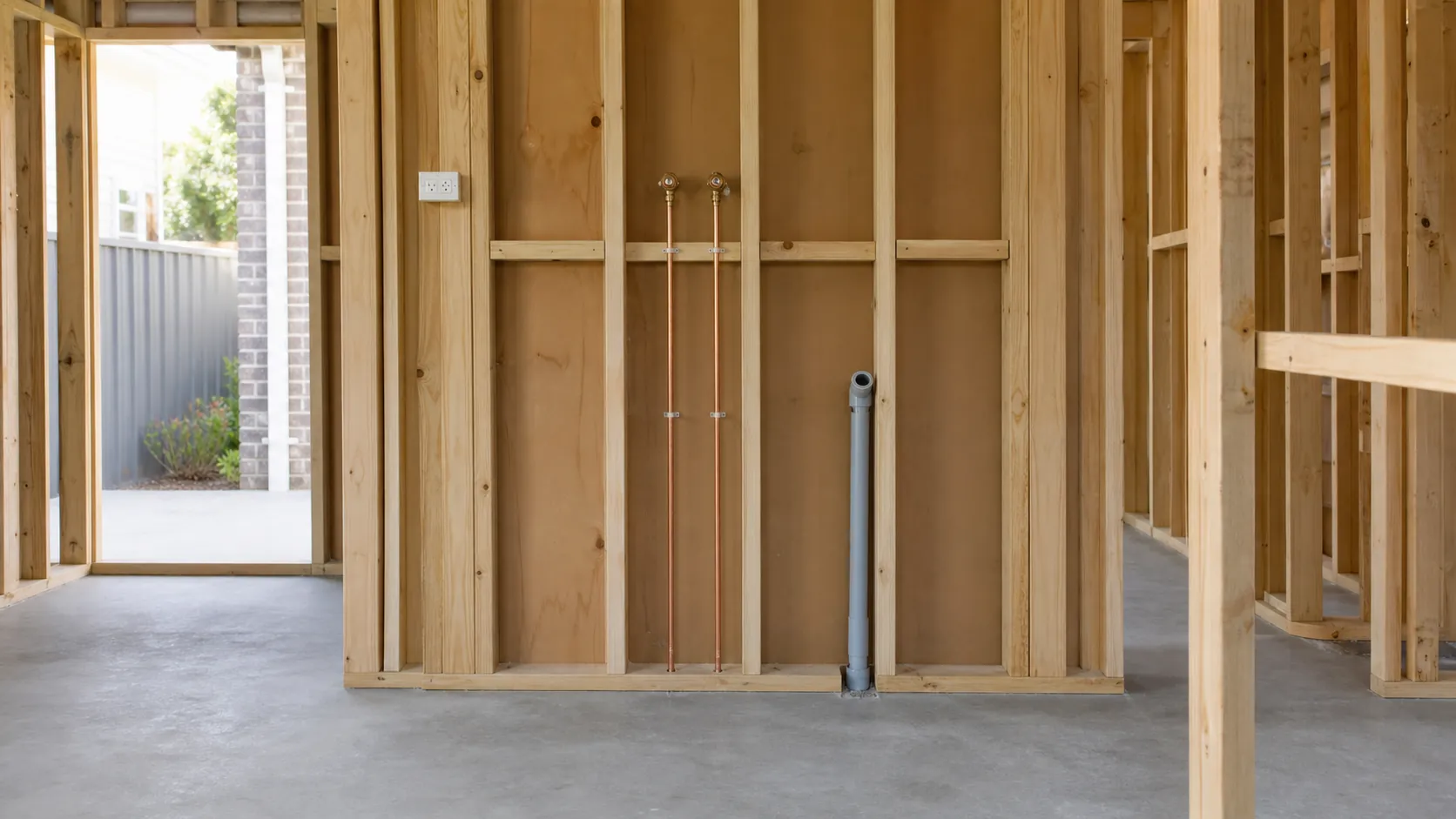
A renovation usually runs in this order: assessment and design, selections, demolition, plumbing and electrical rough-in, wet-area preparation, flooring and tiling, cabinetry and benchtop, then fit-off and handover. The order matters because each trade needs the stage before it finished.
If you're working out how to renovate a laundry, two trade terms are worth knowing. Rough-in is when plumbing and electrical services are run to their new positions before walls and floors are closed up. Fit-off is when taps, power points and lights are connected at the end.
It's the standard sequence for a renovation, and the one our laundry renovation specialists in Geelong schedule trades around.
The laundry renovation process, stage by stage
Site assessment, measure and design
The room is measured, services located and the layout drawn. Decide before: the problems to fix and your machines.
Selections and ordering
Cabinetry, benchtop, trough, tapware and tiles are chosen and ordered, allowing for lead times. Decide before: what your storage has to hold.
Demolition
The old laundry is removed. Hidden problems such as water damage can appear here.
Rough-in
Plumbing and electrical run to their new positions. Decide before: whether the plumbing moves.
Wet-area preparation
Floors and junctions get their water-resistant or waterproof treatment.
Flooring and tiling
Floor tiles or sheet flooring, then splashbacks.
Cabinetry, benchtop and trough
Joinery is installed, then the benchtop and trough.
Fit-off, painting and handover
Taps, power and lights are connected, surfaces painted, the room cleaned and compliance certificates handed over.
Before anything is removed: assessment and design
The design stage fixes the layout, the machine positions and the plumbing plan, whether you manage the job yourself or hire renovators, because every later stage depends on them.
This is when to settle which machines you'll use and the storage list. Changes after ordering usually cost time and money.
Demolition and what it can reveal
Demolition removes the old cabinetry, tiles and fixtures, and can reveal problems that weren't visible before.
Common examples are water damage under the old machine or trough, or pipework and wiring that need replacing. A good quote explains how these are handled.
Rough-in: plumbing and electrical
At rough-in, pipes and cables are run to their final positions before walls, floors and cabinetry close them in.
Plumbing is done by a licensed plumber, who must issue a compliance certificate for work valued at $750 or more (Building and Plumbing Commission). Electrical work is done by a licensed electrician.
Wet-area preparation
After rough-in, the floor and wall junctions are treated to meet the wet-area requirements before tiling (ABCB Housing Provisions, Part 10.2).
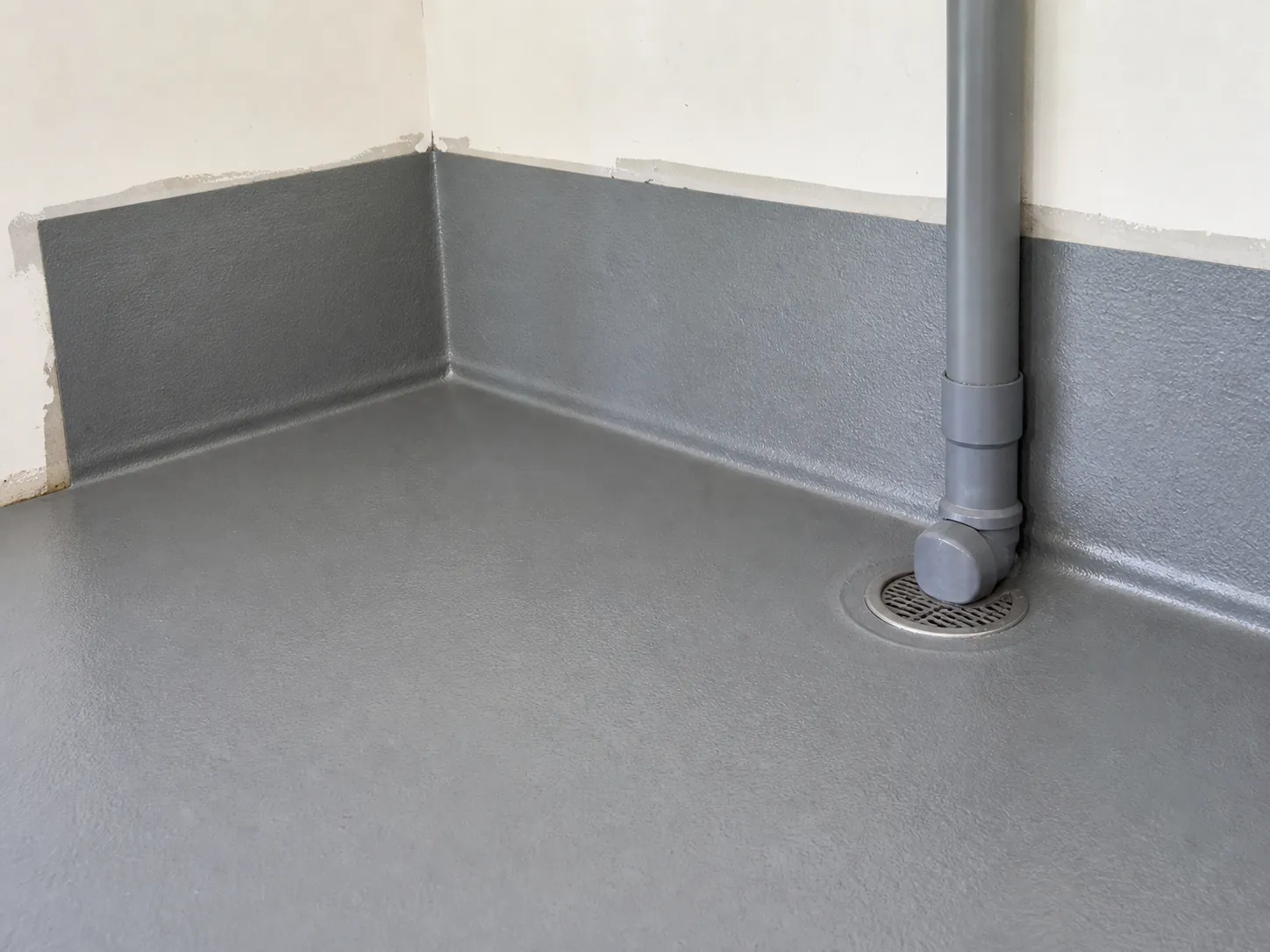
If a floor waste is installed, the floor is graded to it at this stage.
Flooring, cabinetry and fit-off
Floors and splashbacks go in first, then cabinetry, benchtop and trough, then the final plumbing and electrical connections.
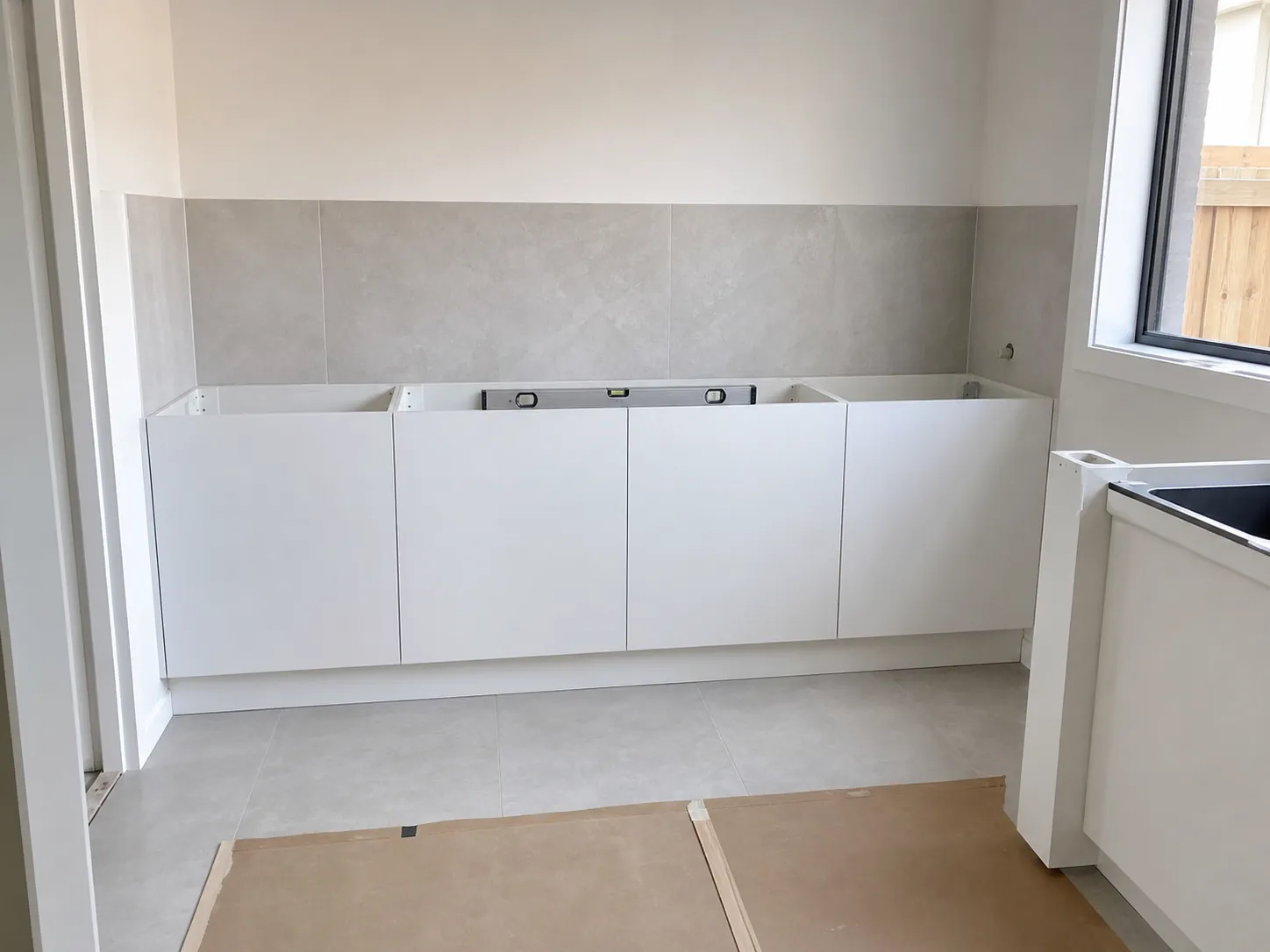
At handover, ask for the plumbing compliance certificate and electrical certificate, and any warranty information for the work and products.
How long you'll be without a laundry
The laundry is out of action from demolition until the machines are reconnected at fit-off. How long that takes depends on scope and on lead times for cabinetry and benchtops.
Plan how the household will manage washing during that time. If you're weighing up coordinating the stages yourself, compare DIY and professional renovation. If you'd rather have the whole sequence managed, that's what our Laundry Renovations Geelong service does.
Related guides
Frequently Asked Questions
How long does a laundry renovation take?
It depends on scope and on lead times for cabinetry and benchtops. The laundry is out of action from demolition until the machines are reconnected at fit-off.
How do you renovate a laundry?
Assess and design, choose and order selections, demolish, rough in plumbing and electrical, prepare the wet area, tile, install cabinetry and benchtop, then fit off.
Do you need a builder's permit to renovate a laundry?
It depends on the work. Structural changes or a change of use can need a building permit, so check with a registered building surveyor. Work over $10,000 needs a registered builder.
Want the whole sequence managed?
We schedule every trade in order and hand over with the certificates, so you don't have to coordinate it.
Book a free consultationSources
- Building and Plumbing Commission: plumbing insurance and compliance certificates
- ABCB Housing Provisions, Part 10.2 Wet area waterproofing
General information, not advice for a specific property. Requirements depend on the building, the work and the current NCC edition.