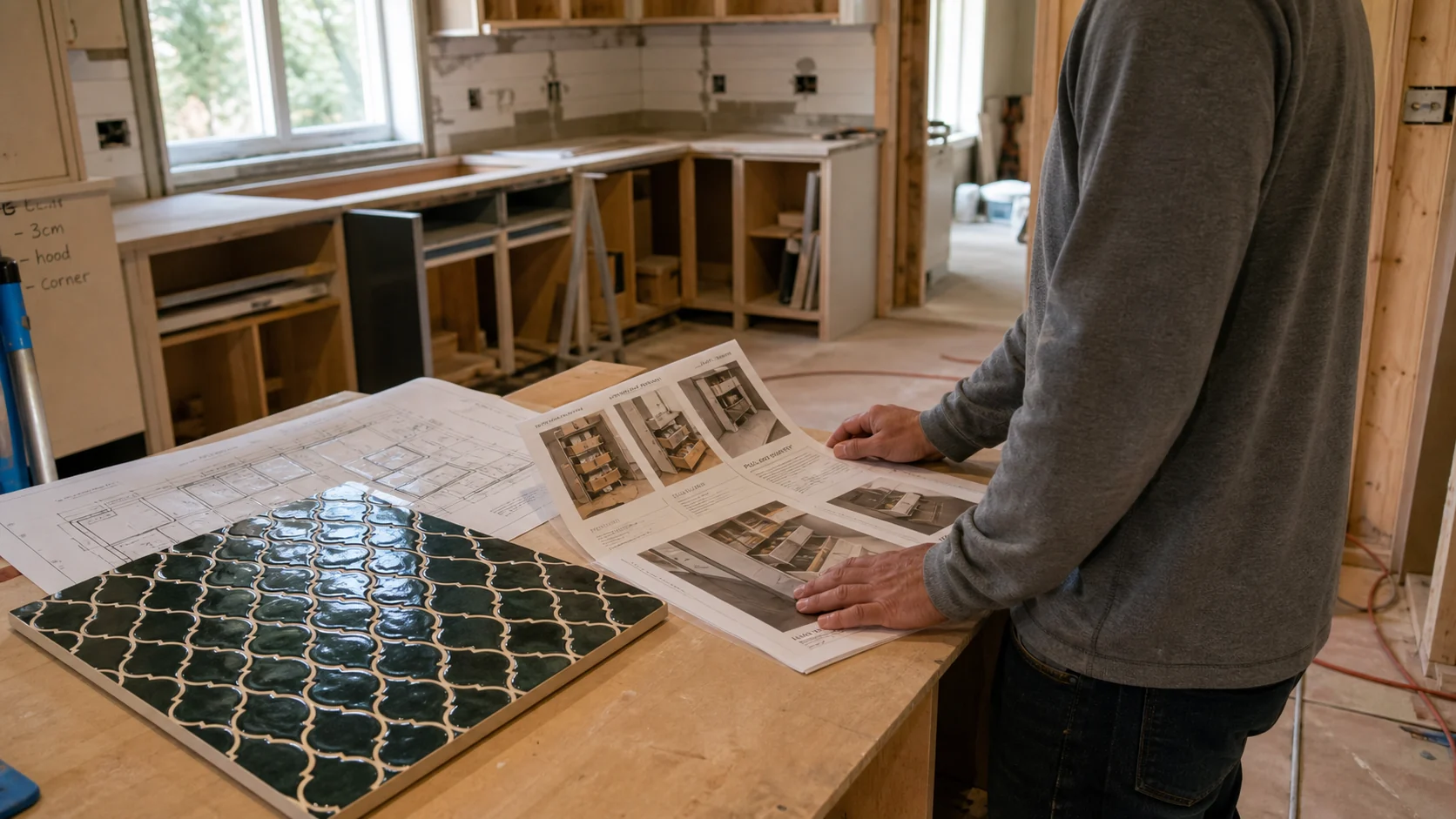
Most kitchen renovation regrets aren't about bad tradespeople or bad luck — they're about a decision made early that only shows its cost once the kitchen is finished. The three mistakes below are the ones we see most often across Geelong, and each tends to track closely with the type of home being renovated. If you'd rather avoid these mistakes altogether, working with experienced kitchen renovators who manage the whole project under one contract is usually what prevents them in the first place.
The three most common kitchen renovation mistakes in Geelong are overspending on features a household doesn't actually use, chasing a design trend that dates quickly, and starting design before understanding a property's structural or heritage constraints. All three are avoidable with the right planning sequence.
Mistake 1: Overspending on the Wrong Things
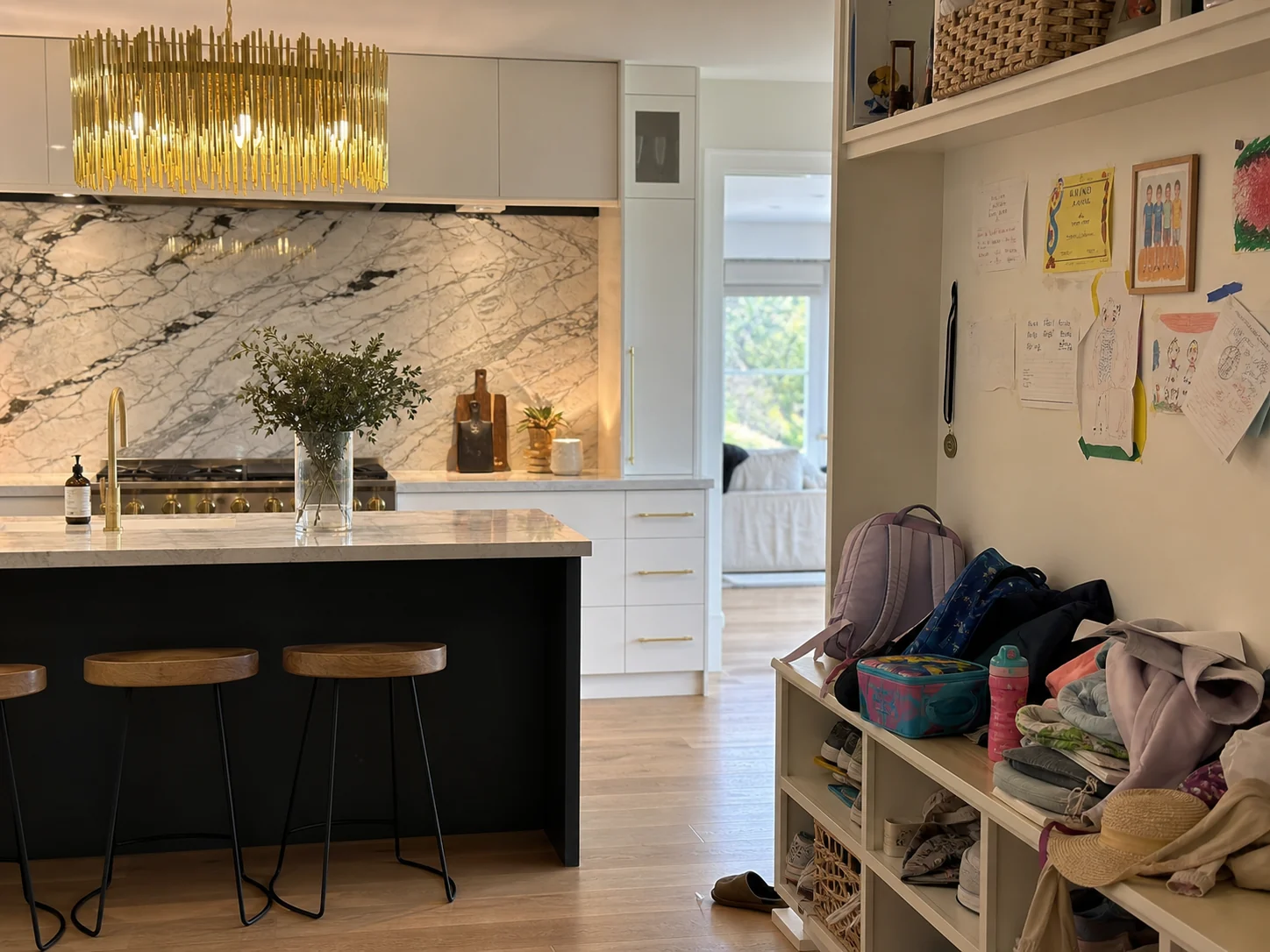
This is the most common mistake in established family homes — a household spends heavily on a feature that looks impressive in a showroom but doesn't match how the kitchen is actually used day to day, while the things that would genuinely improve daily life (bench space, storage, a workable traffic flow) get squeezed into whatever budget is left.
We see this most in Belmont, where family homes benefit far more from practical upgrades — better storage, easier-clean surfaces, a layout that copes with school mornings — than from a statement feature that doesn't earn its keep. It's the pattern behind most kitchen renovation in Belmont.
Mistake 2: Chasing a Trend That Dates Quickly
Premium renovations carry a different risk — spending heavily on a highly current design trend (a specific cabinetry colour, a fashionable tile pattern) that reads as dated within a few years, rather than choosing finishes that age well and protect the investment.
This shows up most in Highton's larger, higher-value renovations, where the budget exists to chase a trend but the resale-value motivation actually argues for restraint on the most trend-sensitive decisions — a tension we see often in premium renovations in Highton.
Mistake 3: Designing Before Understanding the Property
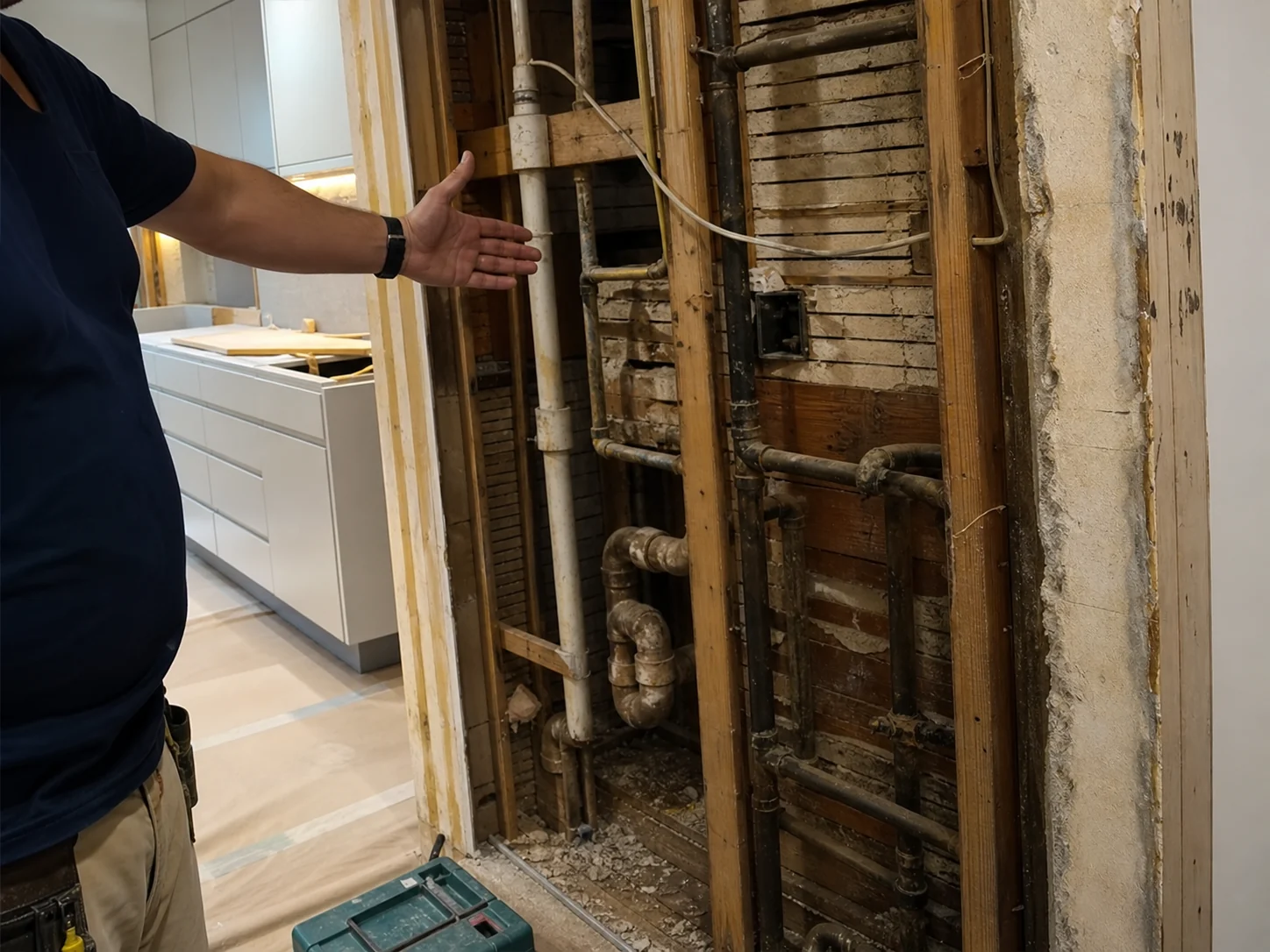
The costliest mistake of all: finalising a design before anyone has properly assessed what's actually behind the walls. Structural elements, old wiring, non-standard plumbing and, in older homes, asbestos are common in Geelong's pre-1970s housing stock, and a design that doesn't account for them gets expensive to change mid-project.
This is especially relevant for character homes in Newtown, where heritage constraints add another layer that needs resolving before design, not during construction. See our dedicated guide on renovating a kitchen in a period or character home for the full detail.
Frequently Asked Questions
What is the most common kitchen renovation mistake?
The most common mistake is spending on features that look impressive but don't match how the household actually uses the kitchen, while underspending on practical elements like storage and workflow that make the biggest daily difference.
How do I avoid overcapitalising on a kitchen renovation?
Choose finishes and layouts with broad, lasting appeal rather than highly current trends, and keep spend proportional to the home's value. A renovation that suits the property tends to protect resale value better than one that chases short-term style.
Do older homes have specific kitchen renovation risks?
Yes. Pre-1970s Geelong homes commonly have asbestos, outdated wiring, and non-standard plumbing behind the walls. A proper structural and services assessment before design starts avoids the most expensive mid-project surprises.
If you've been burned before, it's worth choosing from the best kitchen renovation company options with a genuine repeat-client track record — that says more than a quote ever will.
Want a Second Opinion Before You Design?
If you'd like an honest read on your property before finalising a design, we're happy to have a no-obligation conversation.
Get a Free Quote